Kitchen Remedies for Clear Eyes: These 5 Vegetables Are Your Retina's Best Friends
As we move through our golden years, we naturally become more intentional about our health. We monitor our heart rate during morning walks, prioritize joint comfort, and support our digestive systems. However, there is one part of our body that is working harder than almost any other, yet it often only gets our attention when things start to feel "misty": The Retina.
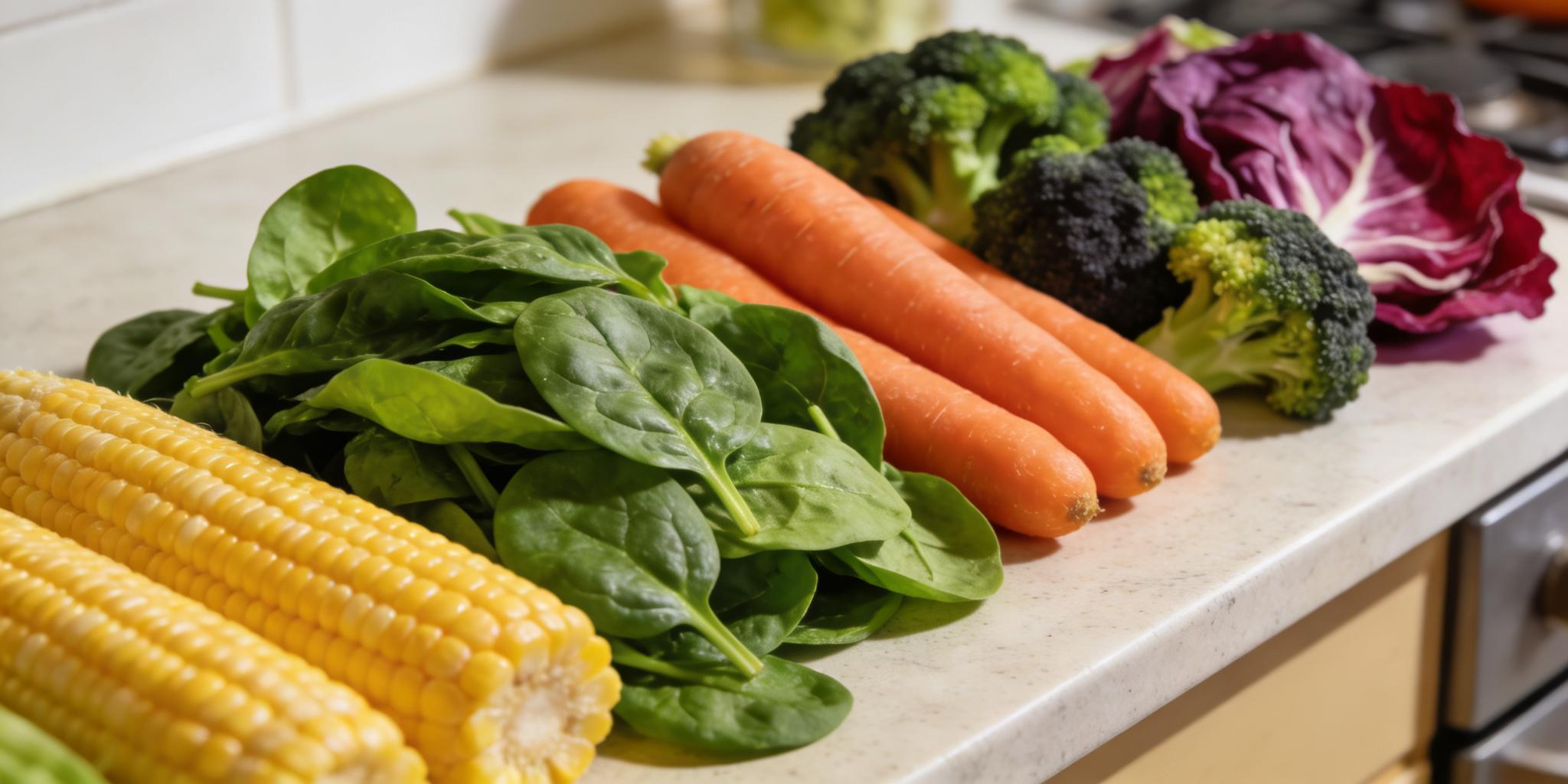
The retina is a thin, light-sensitive membrane at the back of the eyeball. Think of it as the high-definition film in a vintage camera. It is a high-energy tissue, requiring a constant supply of oxygen and specific pigments to convert light into the images of your grandchildren's faces or the words on this screen.
As we age, the eye's natural internal filters become thinner, and the "oxidative stress" from sunlight and digital screens increases. Fortunately, nature has provided a "Five-Star Menu" for the retina right in our kitchens. These aren't just vegetables; they are biological shields designed to maintain the sharpness and contrast of your vision.
1. The Biological Shields: 5 Essential Vegetables for Retinal Integrity
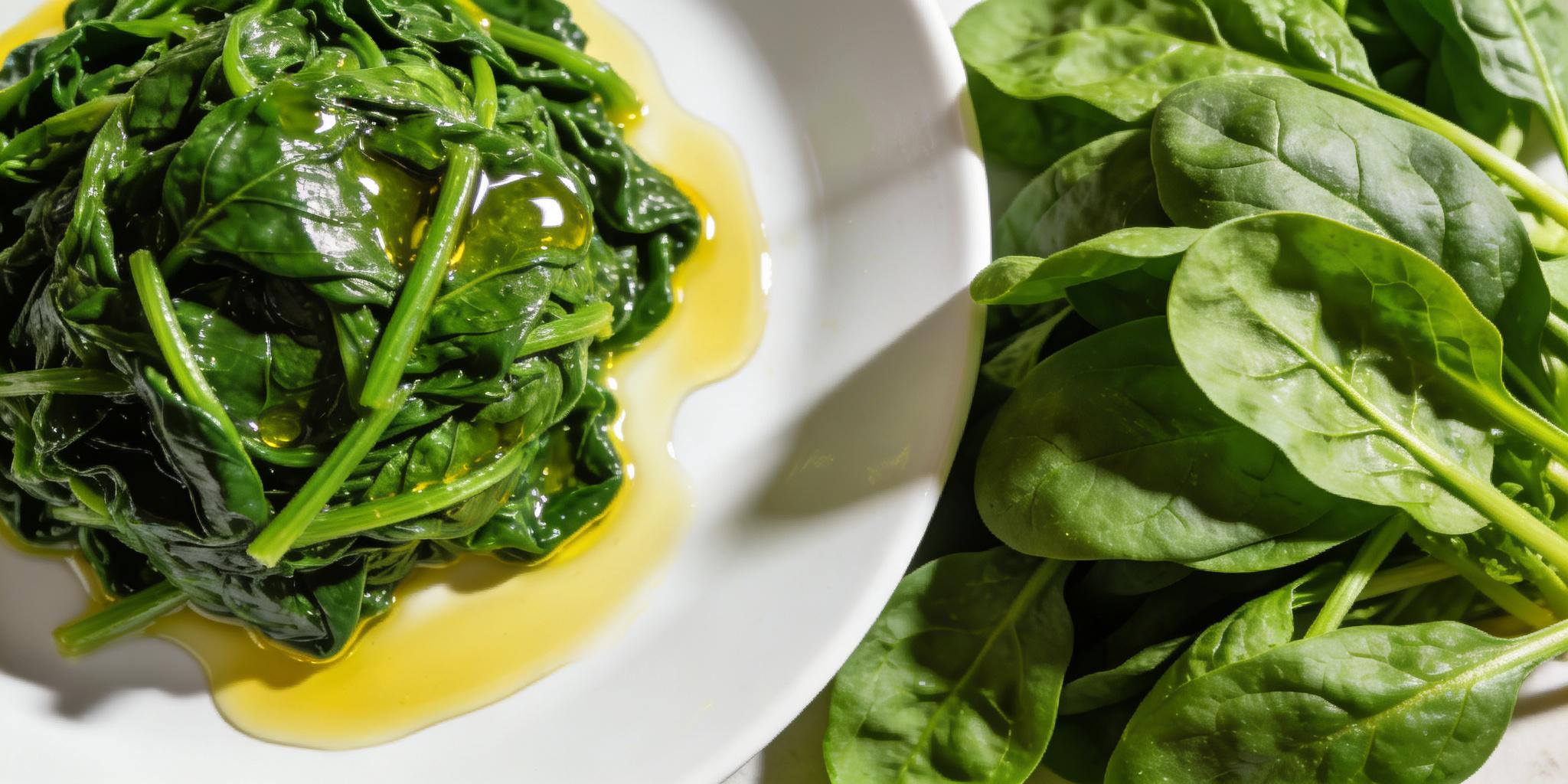
🥬 Spinach: The Deep Green Light-Filter 🥬
Spinach is often called the "King of Eye Greens," and for a very scientific reason. It is packed with two critical pigments: Lutein and Zeaxanthin.
- The Science: These pigments migrate directly to the center of your retina (the macula). They act as "internal sunglasses," absorbing harmful short-wave blue light from TVs and smartphones before it can reach the delicate sensing cells.
- The Benefit: Increasing your intake of these greens helps rebuild the density of your macular pigment, which naturally declines with age. This can improve contrast sensitivity, helping you distinguish objects in dim light.
- Preparation Tip: Lutein is "fat-soluble." To absorb it, your body needs a little help. Lightly steam your spinach until soft, then drizzle with extra virgin olive oil. The healthy fats unlock the nutrients, making them available for your eyes to use.
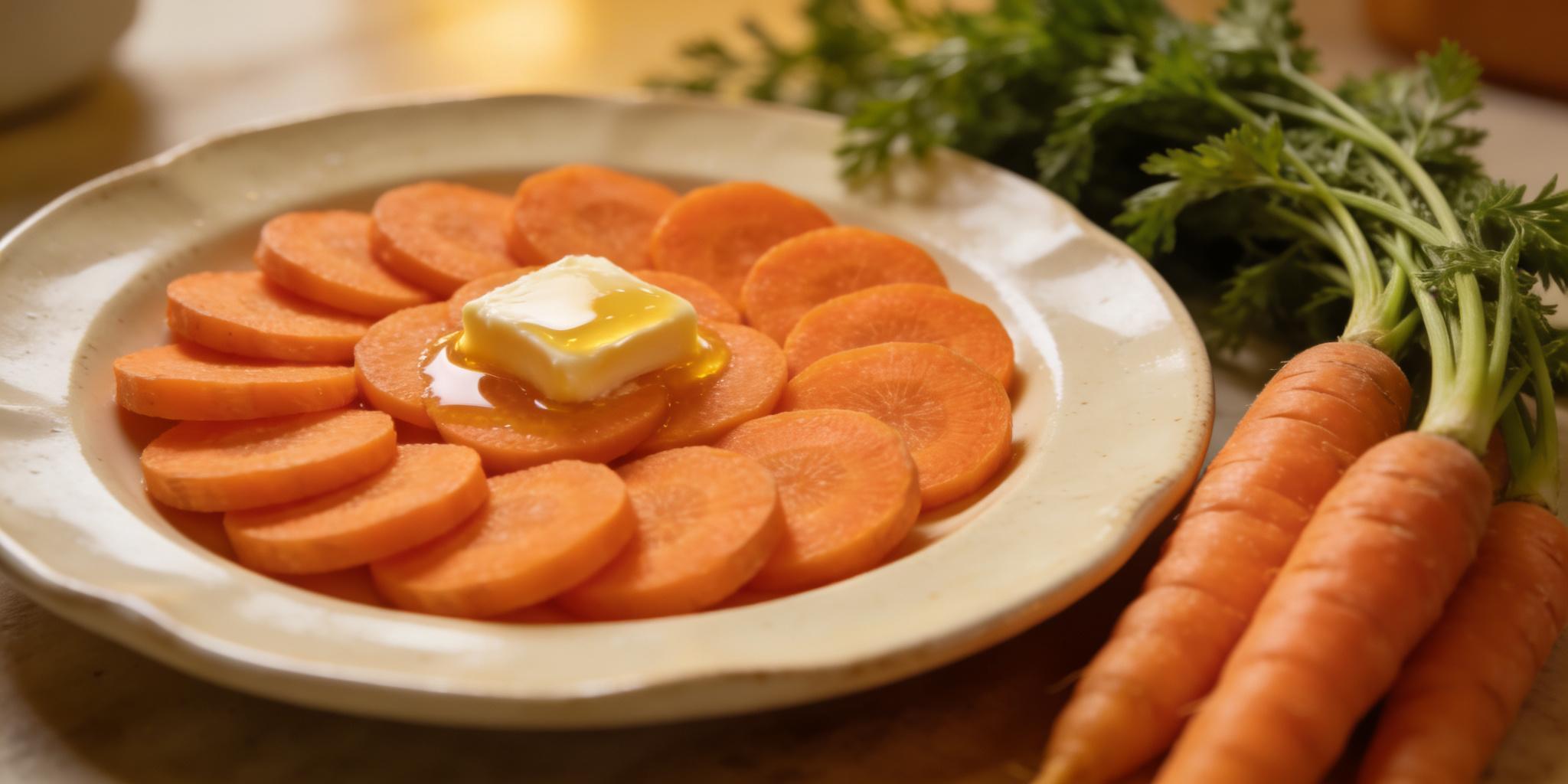
🥕 Carrots: The Night-Vision Repair Crew 🥕
The classic wisdom about carrots is true, but the reason is more complex than most people realize. Carrots are rich in Beta-carotene, which the body converts into Vitamin A.
- The Science: Vitamin A is a core component of Rhodopsin, a protein in your eyes that allows you to see in low-light conditions. If you find it increasingly difficult to navigate a dark hallway or see clearly while driving at dusk, your "repair crew" might be low on supplies.
- The Benefit: Beyond night vision, Vitamin A supports the moisture level of the eye's surface, helping to prevent that "gritty" or dry sensation that often plagues us in heated or air-conditioned rooms.
- Preparation Tip: Raw carrots have tough cell walls that are hard for the mature digestive system to break down. Slicing them into thin "coins" and slow-simmering them with a small pat of butter or coconut oil makes them tender and increases nutrient absorption by nearly three times.
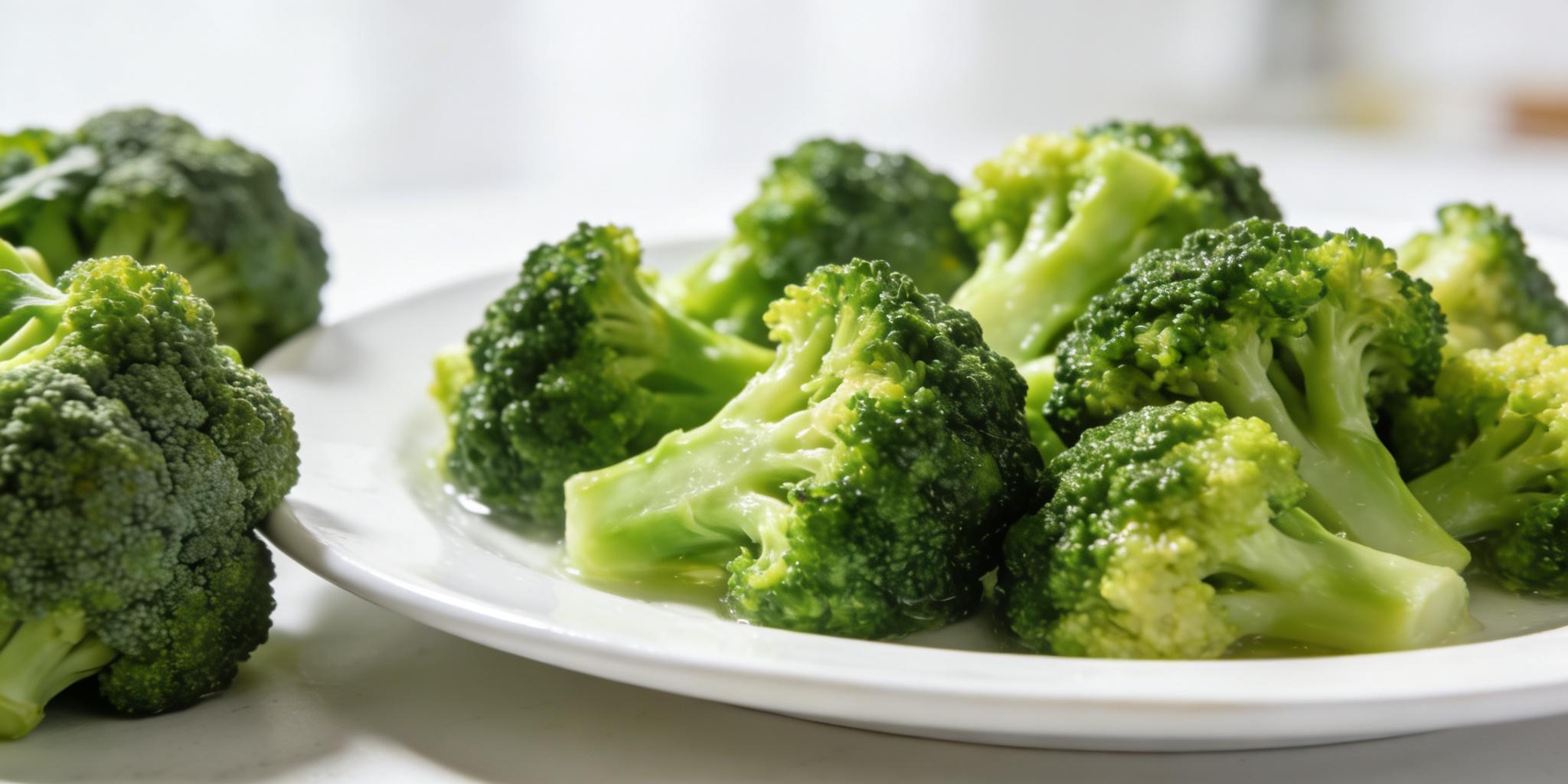
🥦 Broccoli: The Multi-Vitamin of the Garden 🥦
Broccoli is a nutritional powerhouse that provides a "triple threat" of protection: Vitamin C, Lutein, and a unique compound called Sulforaphane.
- The Science: Sulforaphane helps activate the eye's own antioxidant defense genes. It's like giving your retina a "security system" that turns on when it detects stress from bright lights or environmental pollutants.
- The Benefit: The high Vitamin C content supports the collagen in the tiny blood vessels of the eye, keeping them flexible and strong so they can deliver nutrients efficiently.
- Preparation Tip: Focus on the "Florets" (the bushy tops), as the stems can be woody and hard to digest. A quick 2-minute blanch in boiling water followed by a cold rinse keeps the enzymes active while making the vegetable soft enough for easy chewing.
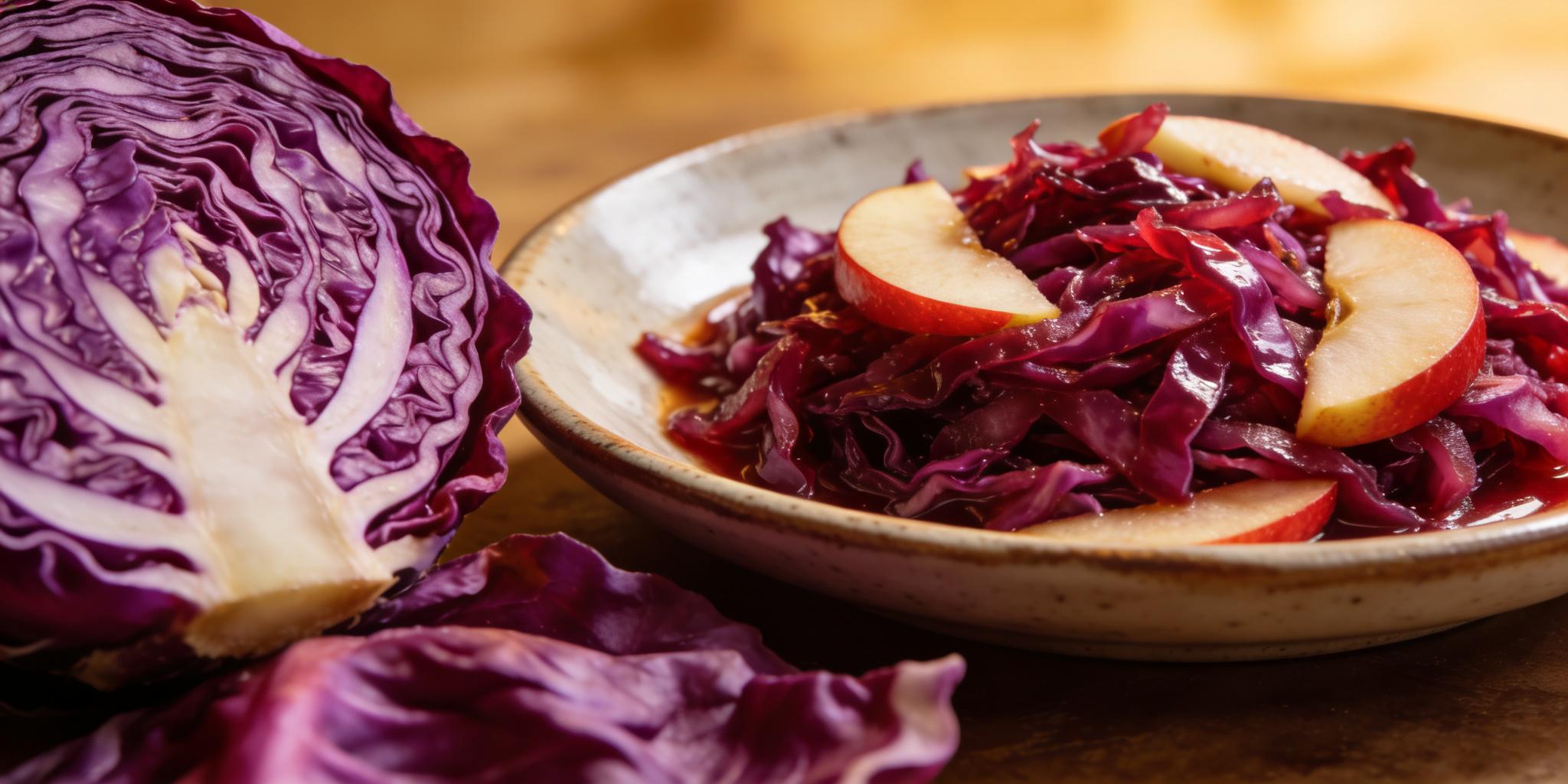
🥗 Red Cabbage: The Micro-Circulation Specialist 🥗
The deep, ruby-purple color of red cabbage comes from Anthocyanins, the same powerful compounds found in blueberries.
- The Science: The retina has the highest rate of blood flow per gram of tissue in the entire body. It relies on a vast network of microscopic capillaries. Anthocyanins help strengthen these fragile "highways," ensuring that the oxygen and nutrients from your food actually reach the back of the eye.
- The Benefit: Stronger capillaries mean fewer "clogs" in the system, which helps maintain the clarity of the vitreous (the jelly inside the eye) and supports overall retinal health.
- Preparation Tip: Raw cabbage can be difficult for the stomach to process. Try a Slow Sauté with a sliced apple and a splash of apple cider vinegar. The acidity keeps the purple color vibrant, and the long cook-time makes it incredibly soft and gentle on the digestion.
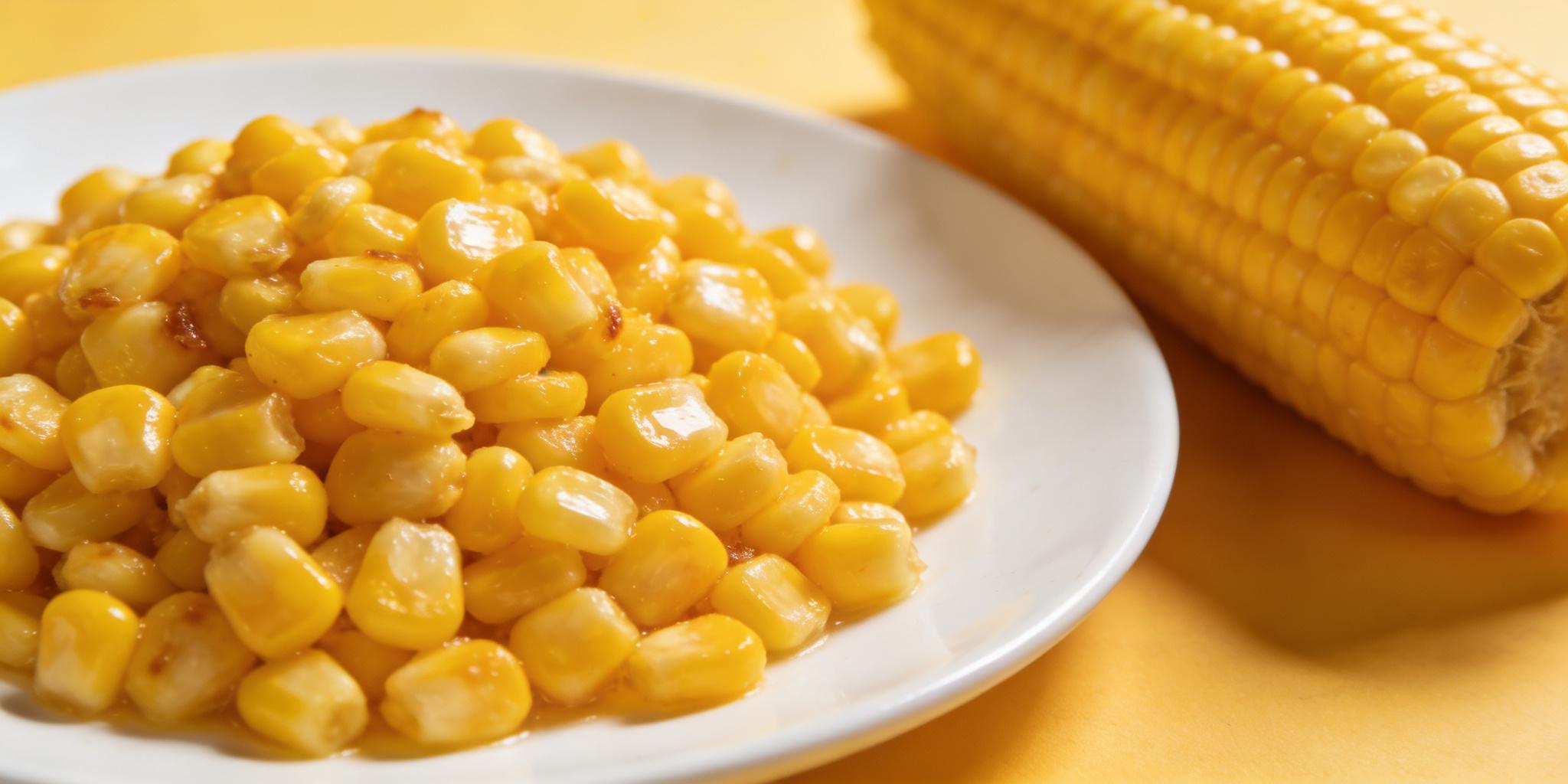
🌽 Corn: The Central Vision Guardian 🌽
Golden corn is one of the few concentrated sources of Zeaxanthin, a pigment that specifically targets the very center of your vision (the fovea).
- The Science: While spinach covers the whole retina, corn's nutrients focus on the "bullseye." This is the part of the eye you use for fine-detail tasks like reading a book, sewing, or recognizing a face across the street.
- The Benefit: Zeaxanthin helps reduce "glare disability." If you find that bright sunlight or oncoming headlights cause you to "freeze" or lose focus, adding more golden hues to your plate may help stabilize your central vision.
- Preparation Tip: Avoid the "cob" if it's too hard on the jaw. Use loose kernels (fresh or frozen) and lightly sauté them in a pan. Mixing them into a warm summer succotash or a soft vegetable soup makes them effortless to eat.
2. The Weekly Vision Menu
The best way to nourish your retina is to develop regular eating habits, ensuring you get a balanced diet of smooth, easily absorbed nutrients throughout the week.

🍳 Daily Nutritional Rotation
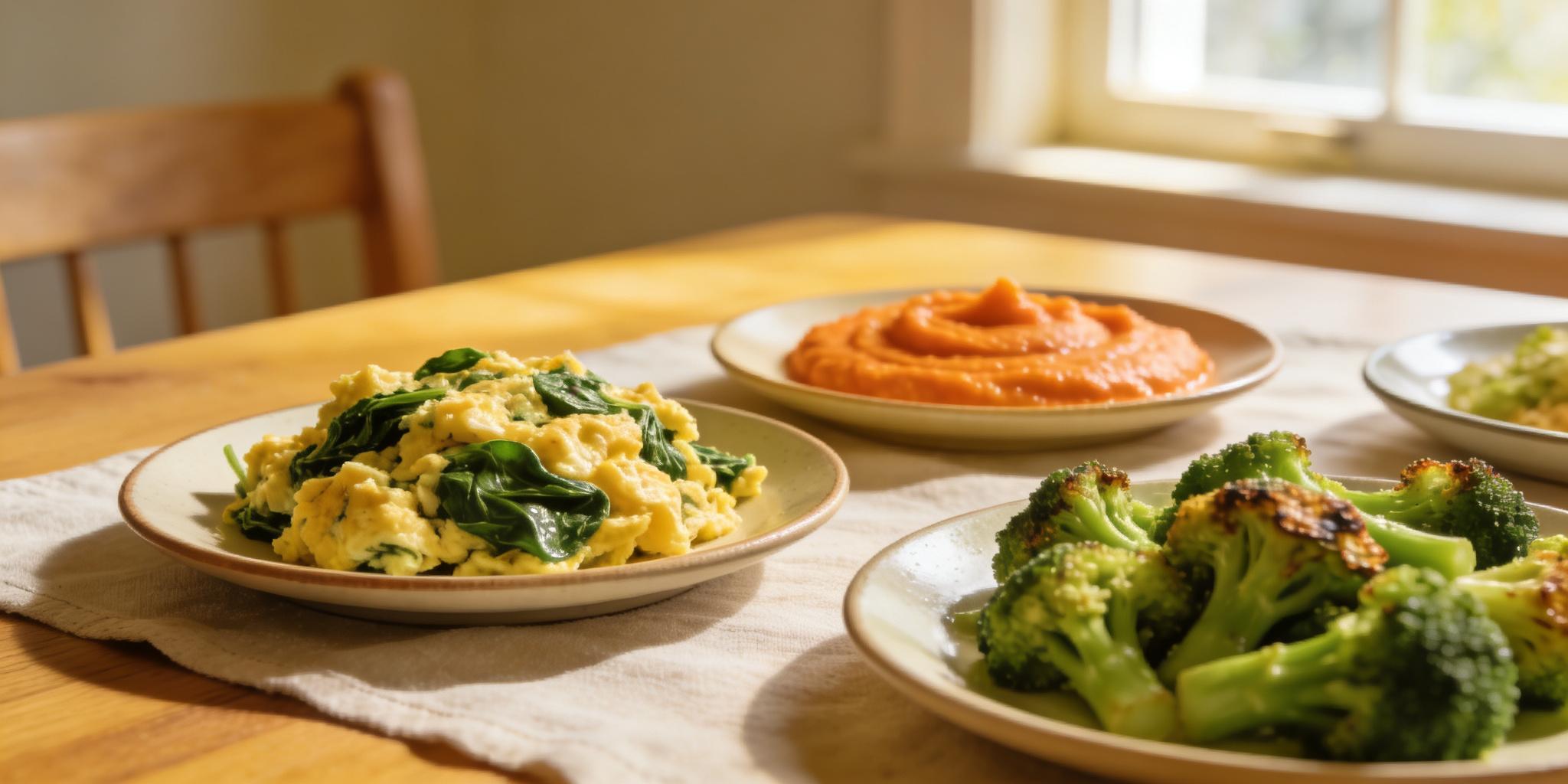
- Monday (Spinach Focus): Silky Spinach & Ricotta Scramble. Finely chopped spinach folded into soft scrambled eggs with a dollop of ricotta. The fats in the eggs and cheese perfectly unlock the Lutein.
- Tuesday (Carrot Focus): Honey-Ginger Carrot Puree. Slow-boiled carrots blended with a touch of ginger and butter until smooth as mashed potatoes.
- Wednesday (Broccoli Focus): Cheddar Broccoli Florets. Steamed broccoli tops (no stems) drizzled with a warm, mild cheese sauce to ensure high absorption of Sulforaphane.
- Thursday (Red Cabbage Focus): Sweet Apple & Purple Braise. Finely shredded cabbage slow-cooked for 40 minutes with apple slices until it is tender and sweet.
- Friday (Corn Focus): Golden Summer Corn Chowder. A creamy, blended soup using sweet corn kernels and potatoes for central vision support.
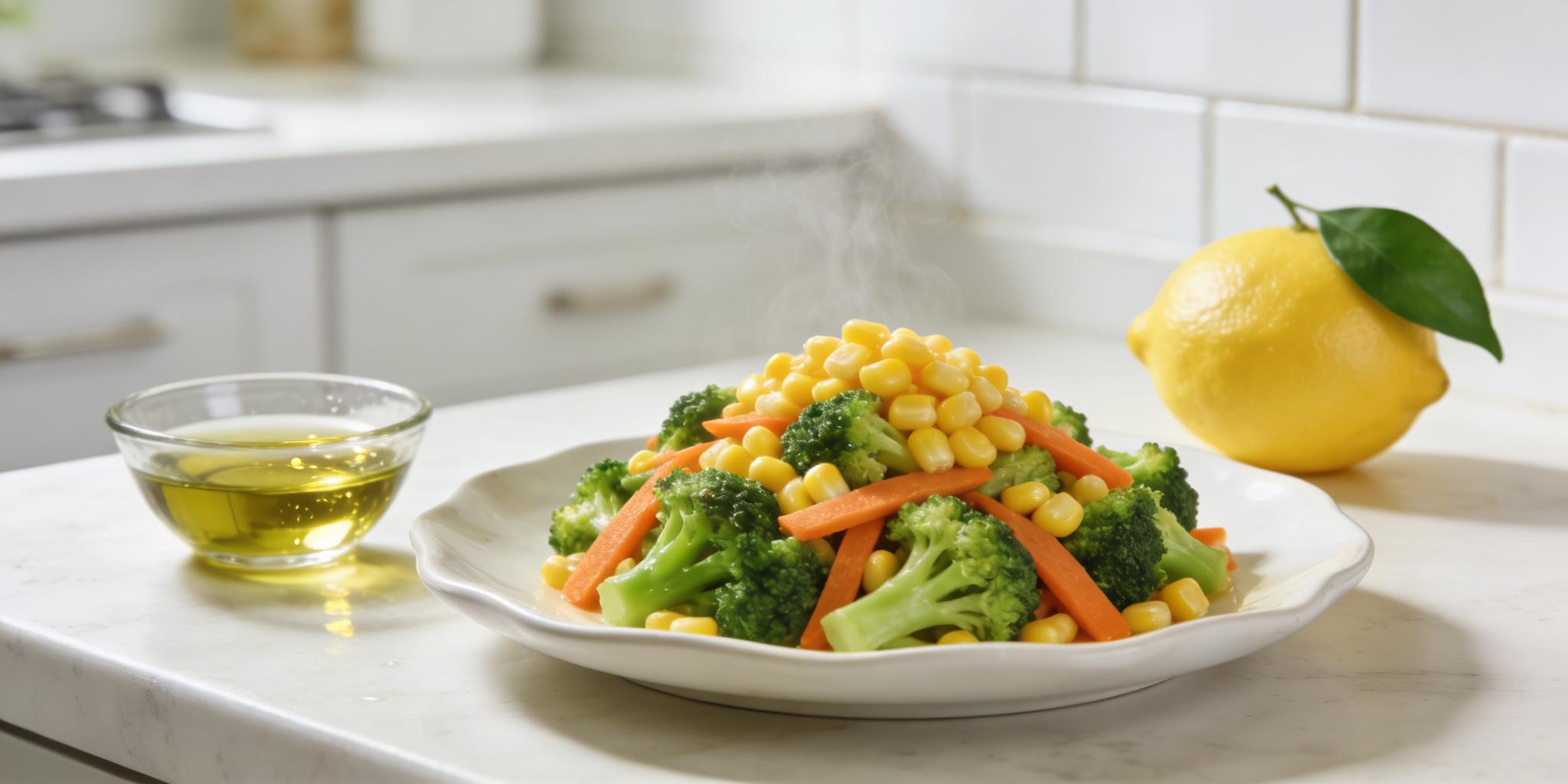
- Saturday (The Rainbow Sauté): The "Vision-First" Medley. A gentle sauté of thin carrot coins, broccoli florets, and corn in plenty of extra virgin olive oil.
- Sunday (Rest & Reset): Mediterranean Spinach Soup. A warm, blended green soup with a swirl of Greek yogurt for a refreshing "Visual Spa" meal.
🍳 Featured Recipe: The "Vision-First" Soft Sauté
This is a versatile side dish that combines three of our heroes into one easy-to-chew melody.
Ingredients:
- 1 cup Broccoli florets (tops only, no stems)
- 1 medium Carrot (peeled and sliced into very thin "coins")
- 1/2 cup Loose corn kernels (fresh or frozen)
- 2 tablespoons Extra Virgin Olive Oil
- A pinch of sea salt and a squeeze of fresh lemon
Instructions:
- The Steam-Start: Place the carrot coins and broccoli florets in a pan with 1/4 cup of water. Cover and simmer over medium heat for 5 minutes. This softens the core of the vegetables.
- The Nutrient Unlock: Remove the lid and let the remaining water evaporate. Add the olive oil and the corn kernels.
- The Gentle Sauté: Sauté on low heat for another 3–5 minutes. The carrots should be soft enough to break with a fork, and the broccoli should be a vibrant, deep green.
- The Finish: Turn off the heat and add a squeeze of lemon. The Vitamin C in the lemon helps your body utilize the plant-based iron in the greens!
🍳 How to Make These Recipes Work for You
✔️The "Softness" Secret
As we age, our digestive enzymes and dental comfort change.
- Action: Never be afraid to "overcook" slightly. While younger chefs prefer "al dente" (firm) vegetables, the retina benefits more when the plant's cell walls are softened, making the Lutein and Beta-carotene much easier for your body to extract during digestion.
✔️The Lipid Bridge (The Oil Rule)
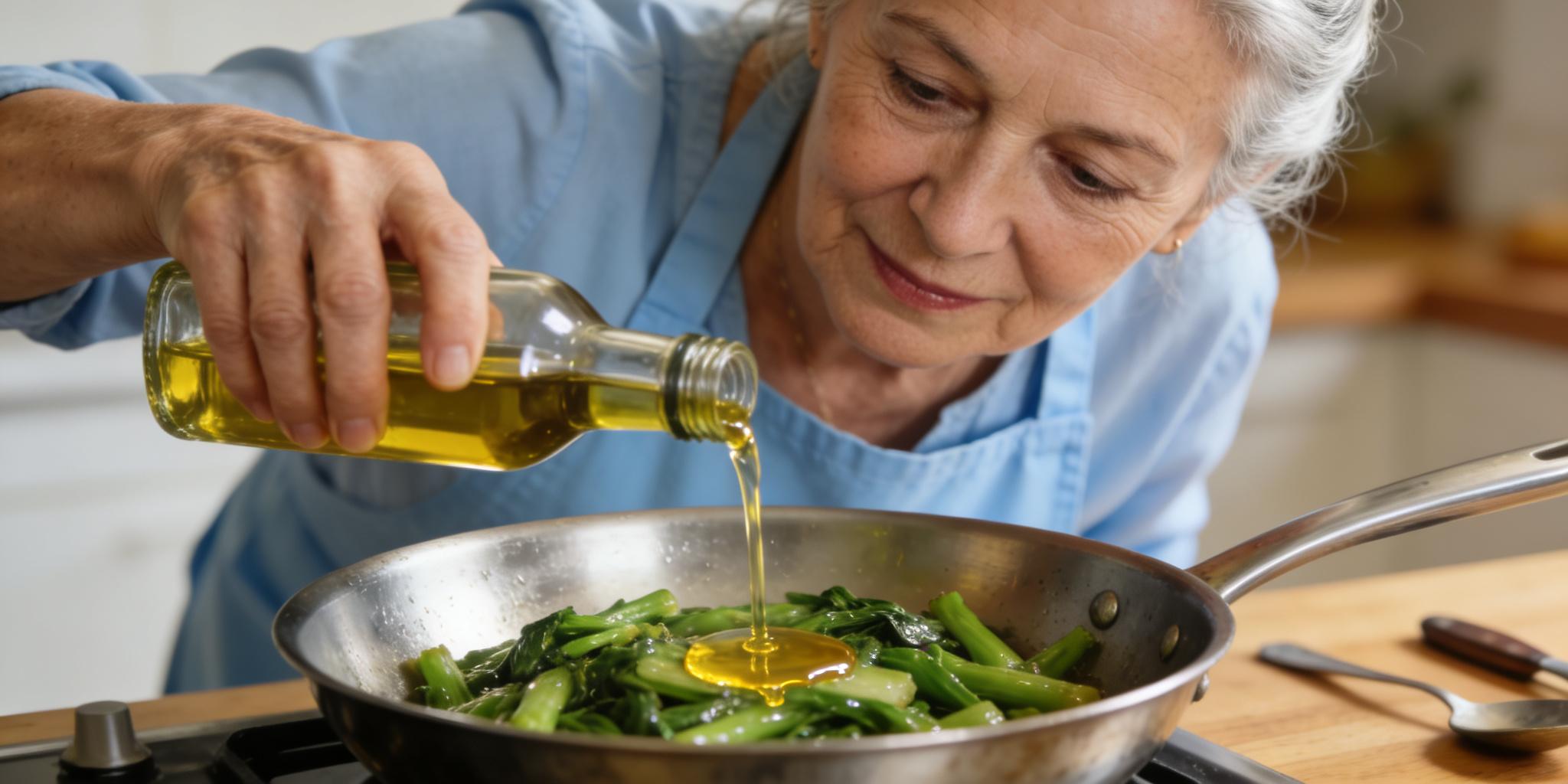
Of the five essential nutrients for the eyes, lutein, zeaxanthin, and vitamin A are all fat-soluble.
- Action: If you eat a carrot or spinach leaf without fat, up to 80% of the nutrients may simply pass through your system unused. Always include a "bridge" like olive oil, butter, avocado, or full-fat yogurt in every vegetable dish.
🍳 Interactive Kitchen Checklist
Before you start your weekly menu, check your kitchen for these "Vision Enhancers":
- The Oil Gallon: Do you have a high-quality, cold-pressed oil (Olive or Avocado) on your counter?
- The "Gentle" Blade: Is your knife sharp enough to shred cabbage very finely? (Thinner shreds cook faster and softer).
- The Steamer Basket: Do you have a way to steam vegetables rather than boiling them in a giant pot of water? (Steaming keeps the nutrients inside the vegetable rather than washing them down the drain).
- The Nut Texture: Do you have walnuts or flaxseeds? Grinding these into a soft powder and sprinkling them over your morning porridge adds essential Omega-3s for eye lubrication.
3. The 5-Point Home Lighting Checklist
Sometimes, the root cause of "drowsy" eyes isn't your eyes, but your living room. Slightly changing the lighting in your home can make your vision feel ten years younger.

Question: Why do my eyes feel so tired by 4:00 PM?
Answer: It is often a combination of "Light Starvation" and "Contrast Strain." As we age, our pupils require significantly more light. When the room is too dim, your brain has to work 10x harder to "photoshop" blurry images.
Take a walk through your favorite reading or sitting spot and check these five indicators:
- The 3:1 Brightness Ratio: Is your tablet or book much brighter than the wall behind it? Ensure your room light is at least 1/3 as bright as your direct reading light to avoid glare stress.
- The "Arm's Length" Test: Are you holding your phone closer than 16 inches? Holding devices too close forces the internal eye muscles into a "maximum clinch." Try to keep a comfortable arm's length.
- Glare Reflection: Sit in your favorite chair. Do you see a reflection of a window or lamp on your screen? Move your seat or adjust the shade to eliminate these "hotspots."
- Shadow Inspection: Is your head casting a shadow over your book? Position your light source to come from the side (the left side if you are right-handed) for an even wash of light.
- The Font Liberation: Go to your smartphone Settings > Display > Text Size and increase it to 125%. Making your tools work for you is an act of visual wisdom!

Summary: Becoming the Guardian of Your Sight
By prioritizing a "Rainbow Plate" of soft-cooked vegetables and optimizing your Home Environment, you are doing more than just eating healthy. You are preserving your independence, your hobbies, and your connection to the beautiful world around you. Your eyes have looked after you for a lifetime; now, it is your turn to look after them.
Final Tip: Tonight, try the "Palming" method (covering closed eyes with warm palms for 2 minutes). You'll be amazed at how much softer the world looks tomorrow morning!