Must-Read for Diabetics: How to Protect Your Vision from "Sugar Eyes"
If you have diabetes, you know that managing it is a full-time job. You monitor your levels, watch your plate, and stay active. But there is a part of your body that often works in total silence until damage has already occurred: The Retina.
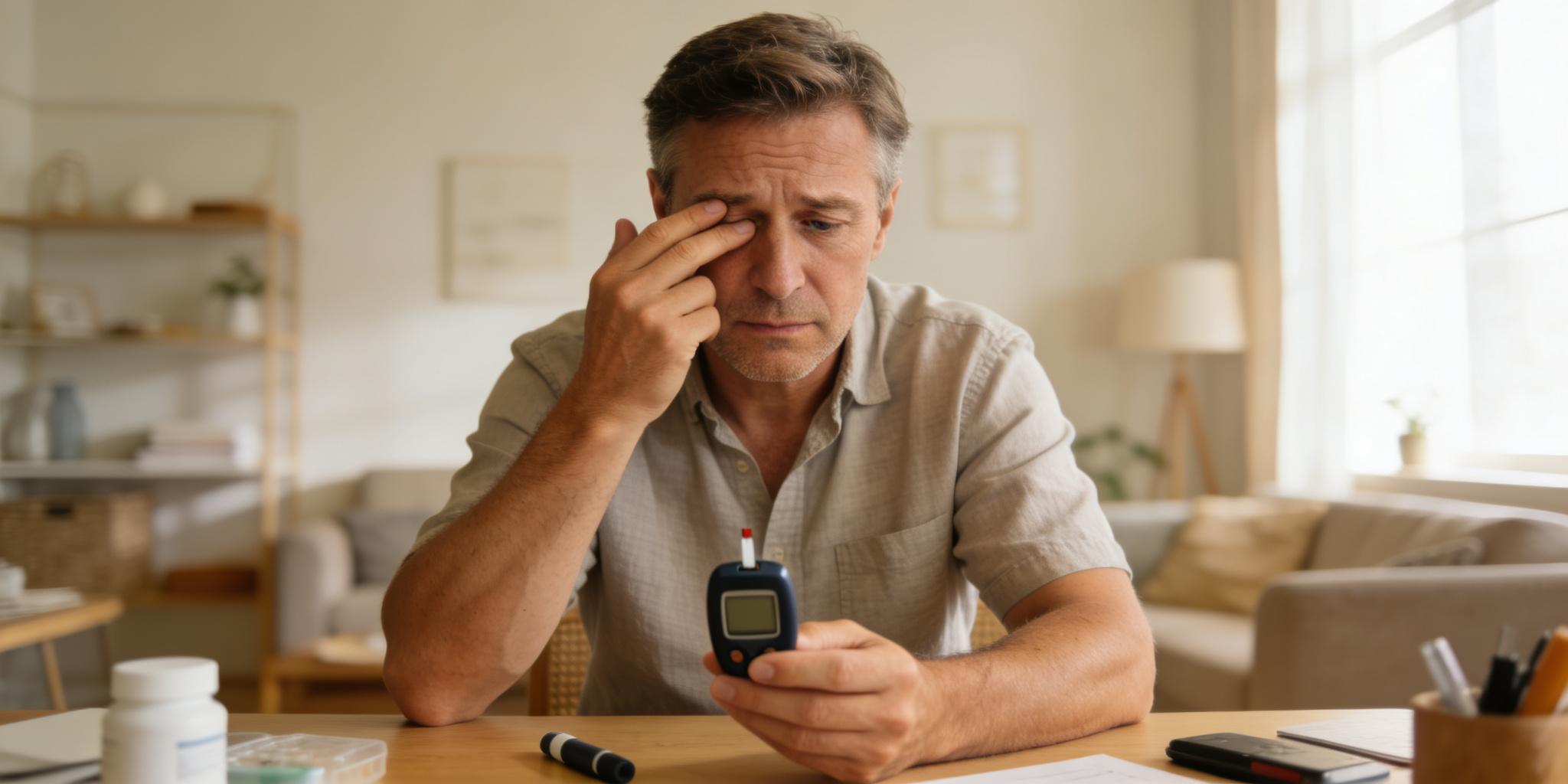
The retina is a paper-thin, light-sensitive tissue at the back of your eye. For us, it is the most valuable "real estate" in our bodies. It is the only place where a professional can directly see your living blood vessels without surgery. Today, we are going to pull back the curtain on a condition called Diabetic Retinopathy.
Don't be intimidated by its medical term. You can think of it as a "sugar shadow," a thief trying to sneak into your house. The good news is that if we understand how this thief operates, we can install a high-tech security system to protect our sight for decades to come.
I. The Biological Truth: "Irrigation" and the "Garden"
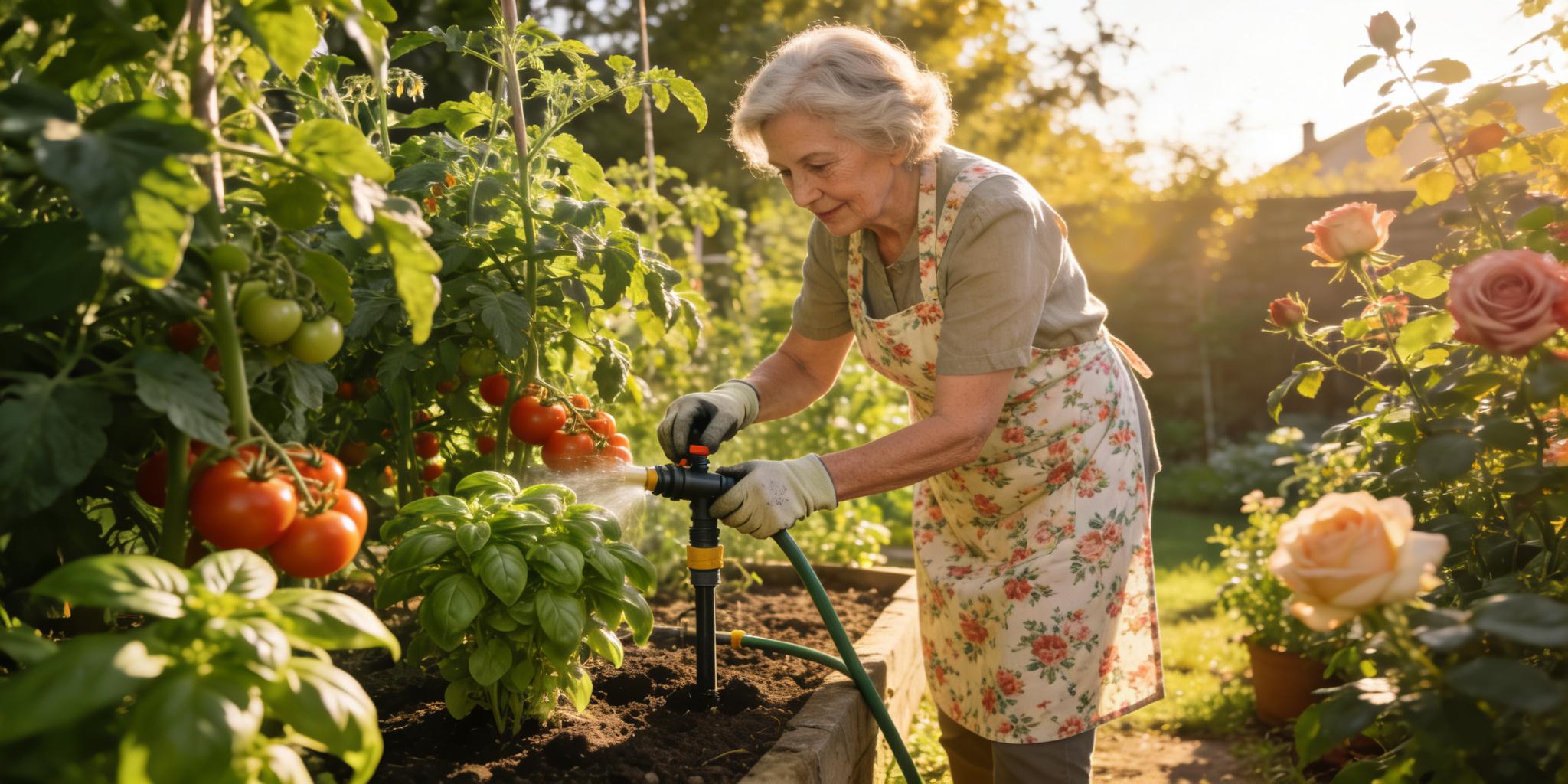
To understand why blood sugar affects your eyes, imagine a beautiful, lush garden.
1. The Delicate Irrigation System
Your retina is like fertile soil. For this soil to capture crisp images of your grandchildren or the morning paper, it needs a constant supply of fresh nutrients through microscopic blood vessels. These are the "irrigation pipes" of the eye.
2. The Corrosive Effect of High Sugar
When blood sugar stays high, the "water" in these pipes becomes heavy and chemically aggressive.
- ⭕The Weakening (Pericyte Loss): Think of your blood vessels as having tiny "support beams" called pericytes. High sugar targets these first. When these beams fail, the pipe walls become thin and start to bulge. These tiny bulges are called microaneurysms and are the initial physiological signs of "Sugar Eyes."
- ⭕The Leaking (Edema): As the walls weaken, they start to leak fluid and fats into the retina. Imagine your garden turning into a swamp. When this happens in the center of your vision (the Macula), it is called Macular Edema, and it makes faces and text look distorted or wavy.
- ⭕The "Weed" Growth (Neovascularization): In a desperate attempt to get oxygen, the eye tries to grow "new" pipes. But these new vessels are like fragile weeds. They break at the slightest touch, leaking blood into the center of your eye and casting dark shadows over your vision.
II. The Warning Signs: Dangerous Characteristics of "Sugar Shadow"
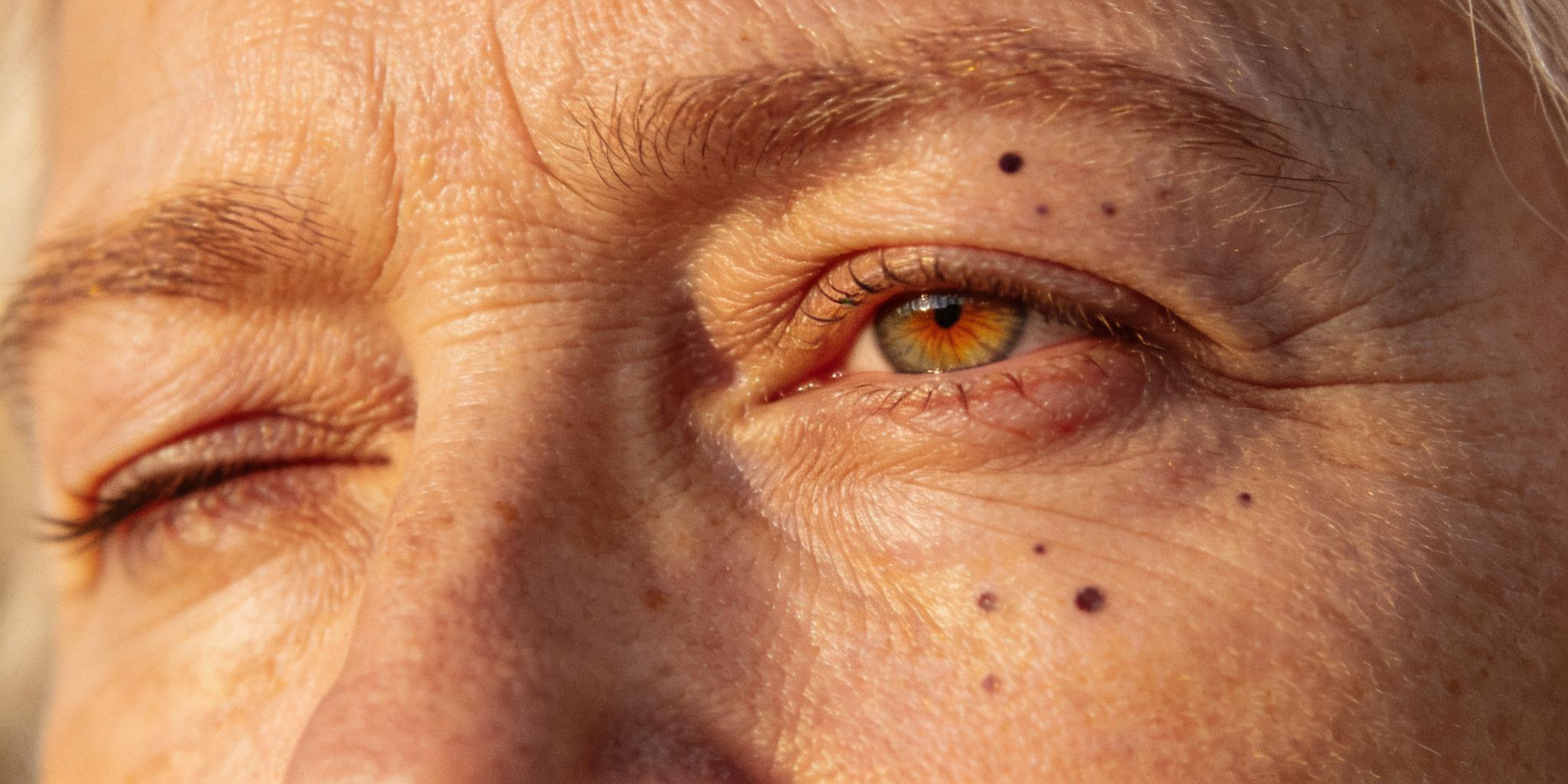
The most dangerous trait of the "Sugar Shadow" is its silence. In the early stages, you may feel perfectly fine. However, your eyes will occasionally "whisper" to you. Do not ignore these subtle shifts:
- ⚠️The "Yo-Yo" Vision: Do you notice that some days you see perfectly, but other days everything seems a bit blurry? This often happens because high sugar causes the Lens of your eye to swell with fluid, changing your focus like a camera lens moving out of alignment.
- ⚠️The "Floating Dust": Have you seen tiny dark spots, "cobwebs," or strings floating in your vision that you can't blink away? These "floaters" are often tiny droplets of blood or shadows cast by changes in the back of the eye.
- ⚠️The Faded Contrast: Does the vibrant red of a rose or the deep blue of the sky seem a bit "washed out"? This loss of color sensitivity is a sign that the sensing cells are under-nourished.
- ⚠️The Night Struggle: Are you finding it harder to navigate a dimly lit restaurant or see the edges of the sidewalk after sunset?
III. The "Golden Window": Preventing 90% of Vision Loss in Diabetes
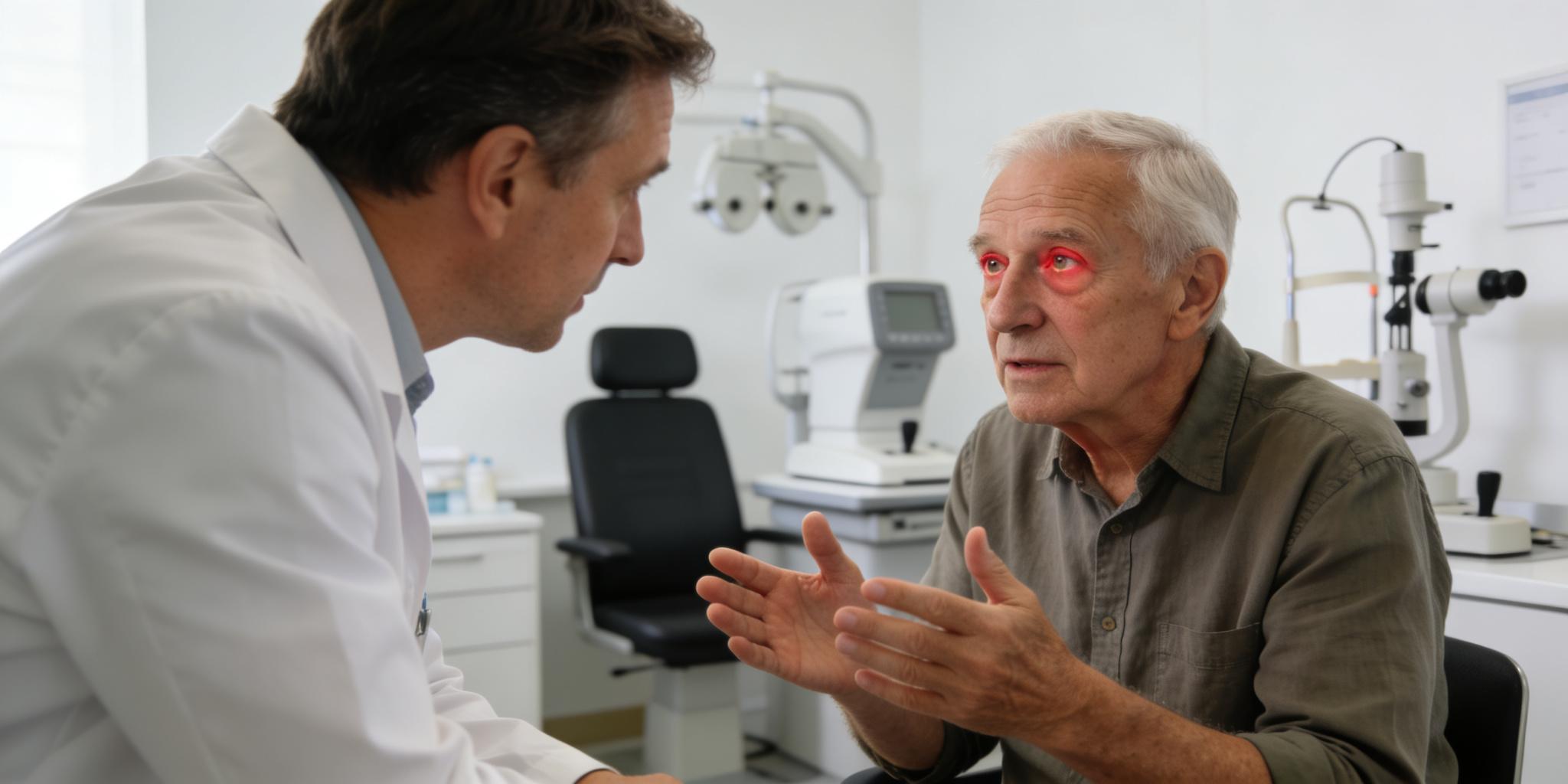
There is a common myth that once diabetes affects the eyes, vision loss is inevitable. This is absolutely false.
1. The Power of Early Detection
Science has shown that with early detection and consistent management, we can prevent up to 90% of vision loss associated with diabetes.
- 🏥The "Dilated" Advantage: A standard vision test (reading the letter chart) cannot see the "leaky pipes." You need a professional to dilate your pupils to look at the "garden soil" itself.
- 🏥The Annual Tradition: Make this exam a non-negotiable event. Schedule it around your birthday or a major holiday. It is the single most powerful "insurance policy" for your independence.
2. Understanding "Metabolic Memory"
Sometimes, even if your sugar is good today, your eyes may show changes from years ago. This is called "Metabolic Memory." It means the eye "remembers" the high sugar from the past. This isn't a reason to give up; it's a reason to be even more diligent today to protect the future.
IV. The Three-Key Prevention Strategy
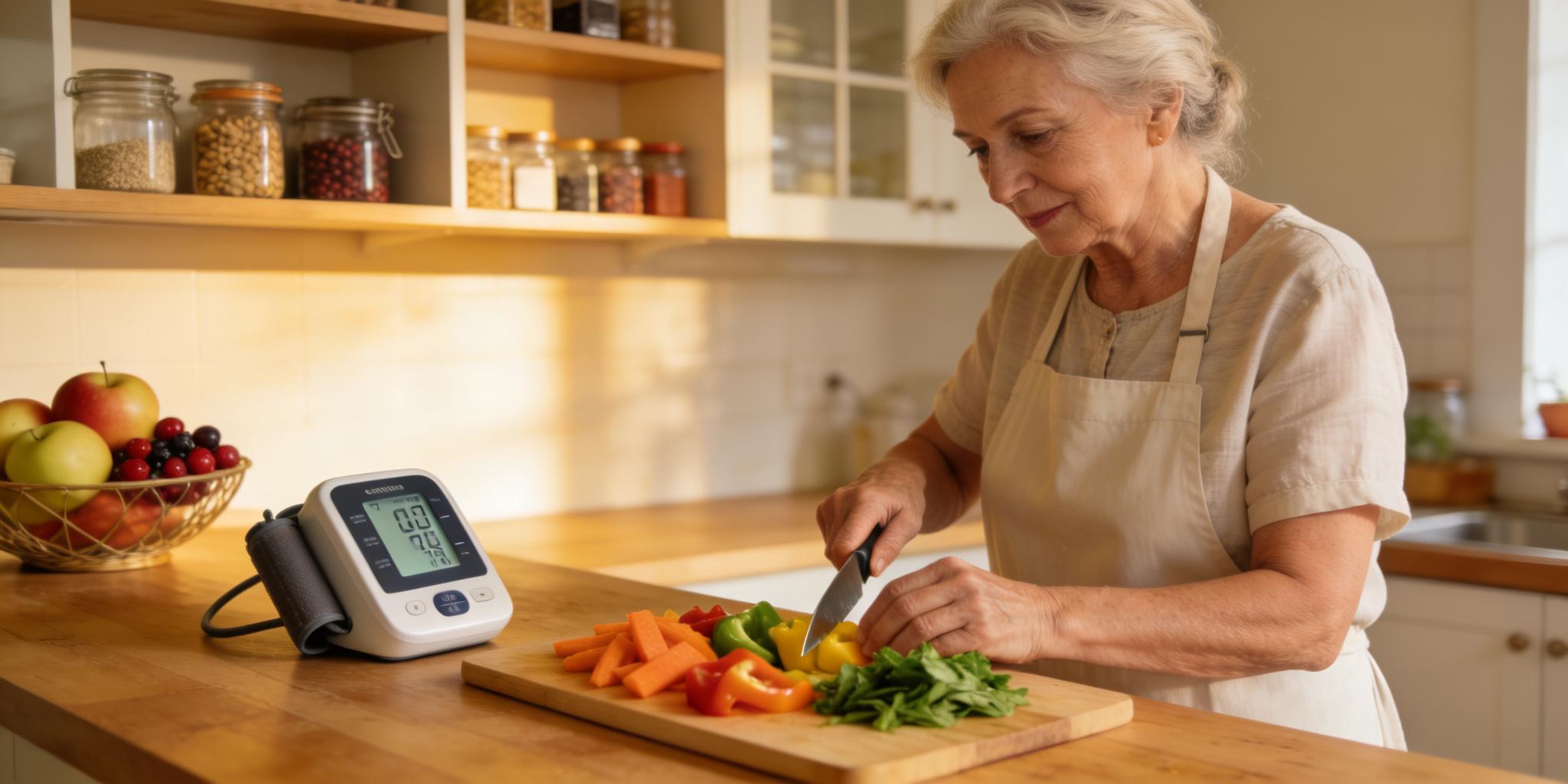
We don't need "miracle" equipment at home. We need a solid, calm routine that treats our blood vessels with respect.
🔑 Key 1: Manage the "Water Quality"
It isn't just about avoiding "highs"; it's about avoiding the "rollercoaster." Sharp jumps and crashes in blood sugar create physical "shearing stress" on the delicate eye vessels.
- Focus on Fiber: Foods like beans, oats, and leafy greens release energy slowly, keeping your "irrigation water" smooth and steady.
- Movement: A gentle 15-minute walk after dinner helps your muscles use up excess sugar, taking the pressure off your eyes.
🔑 Key 2: Watch the "Systemic Pressure"
Imagine those tiny, corroded pipes again. If your blood pressure is also high, it "pushes" too hard through those weak walls, making them burst much faster.
- The Salt Factor: Reducing salt isn't just for your heart; it's to lower the physical "pumping pressure" inside your retina.
🔑 Key 3: The Smoke-Free Retina
Smoking robs the retina of oxygen. In a diabetic eye, the retina is already "suffocating" for air. Smoking is like pinching the oxygen tube shut. Quitting is the fastest way to "let your eyes breathe."
V. High-Contrast Nutrition: Fueling Your Visual Assets
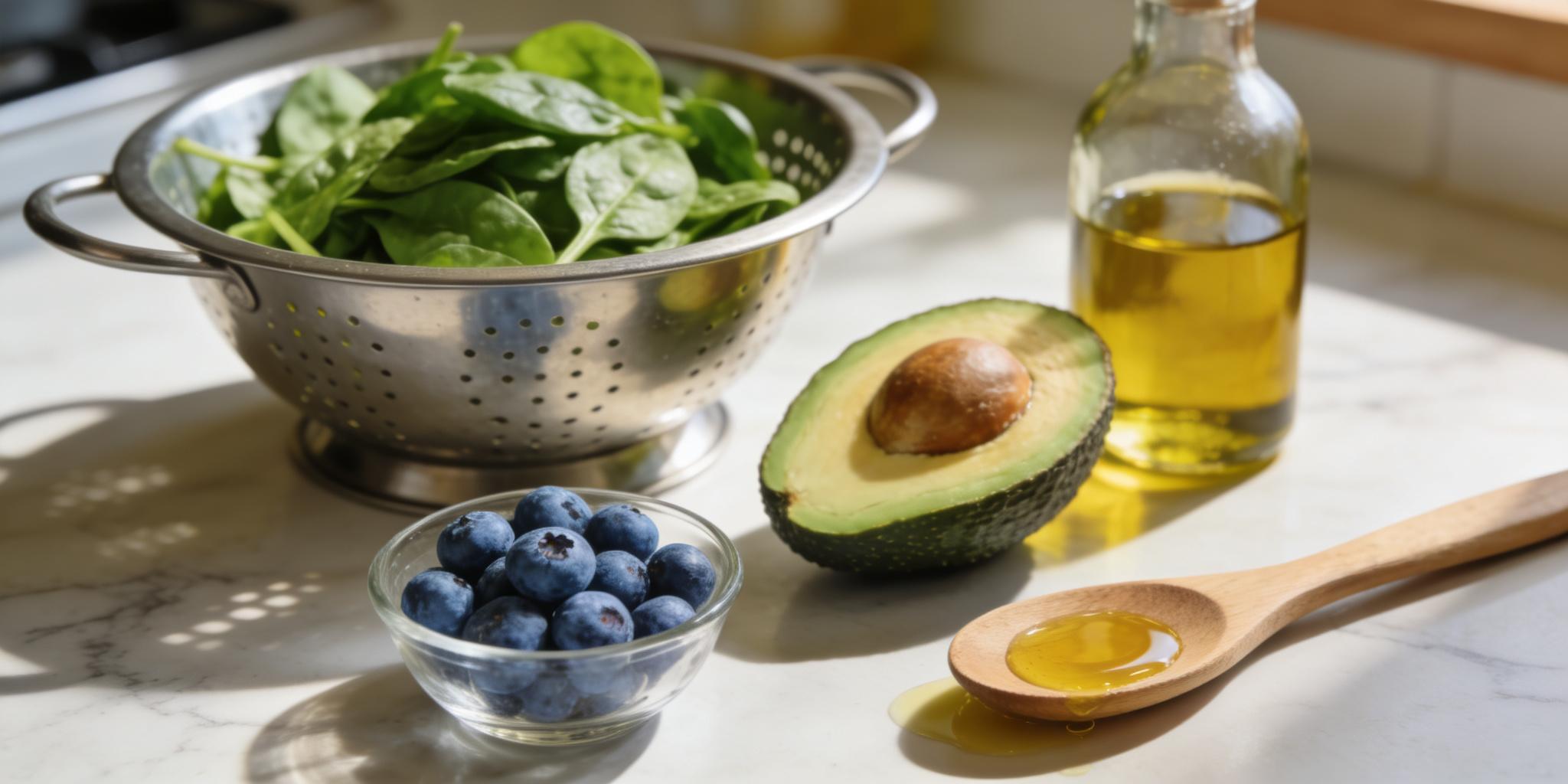
Beyond monitoring sugar, we can actively reinforce the back of the eye through "Color Management." This is what we call High-Contrast Nutrition, prioritizing foods with deep, vibrant pigments that act as "biological glue" for your vessels.
🥗 Strengthening the Pipe Walls with Purple & Red
The deep colors in berries and purple vegetables come from Anthocyanins.
- The Science: These pigments help repair leaky micro-vessels. They reinforce the lining of the "irrigation pipes," reducing the risk of fluids seeping into the retina.
- Action: Incorporate a handful of blackberries, blueberries, or a side of braised red cabbage into your week.
🥗 Restoring Contrast with Dark Greens & Orange
If the world feels "grey," your macular pigment density may be low.
- The Science: Lutein and Zeaxanthin (found in spinach, kale, and pumpkin) act as the retina's internal light filter.
- The Benefit: They help you distinguish objects in low-light environments, effectively sharpening the "contrast" of your vision.
🥗 The Lipid Bridge (The Fat Rule)
The most important eye nutrients are fat-soluble.
- The Strategy: If you eat these vegetables plain, your body may only absorb 20% of their value. You must pair them with healthy fats like olive oil, avocado, or Omega-3 rich salmon. This "bridge" carries the nutrients directly to your sensing cells.
VI. Identifying the "Miracle" Traps
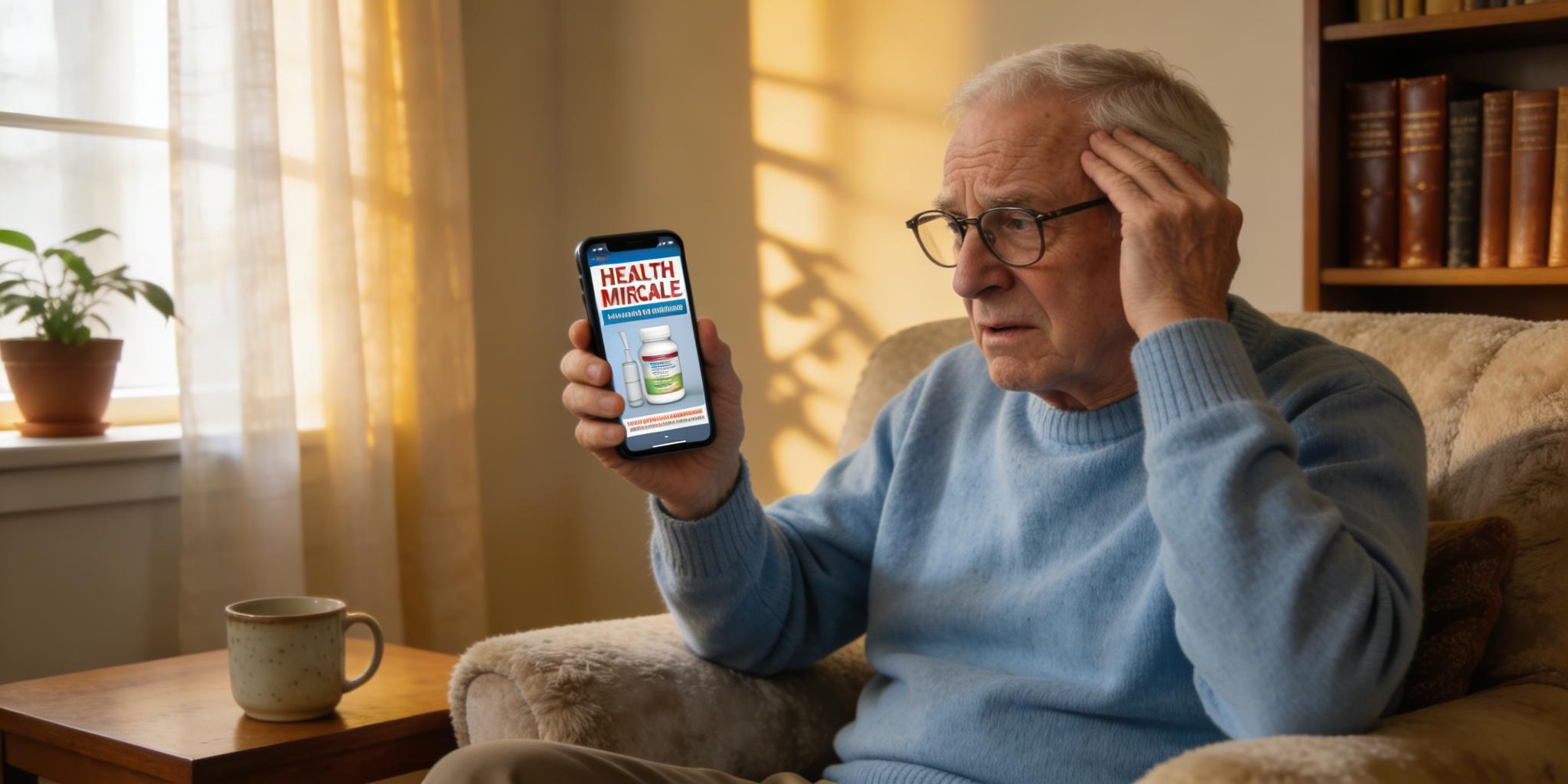
When we worry about our sight, we are vulnerable to advertisements. You have likely seen them: "The one secret herb that reverses diabetic blindness!" or "The magic drop the doctors don't want you to know about!"
The Hard Truth:
- 🚫There is no "magic tea" or "special berry" that can physically repair a ruptured blood vessel in the back of the eye.
- 🚫Using these unproven products often leads people to abandon their real management plans, giving the "Sugar Shadow" more time to cause permanent damage.
- 🚫The real "miracle" is the Daily Management you do in your kitchen and your doctor's office.
VII. Practical Life: Creating a "Retina-Safe" Environment
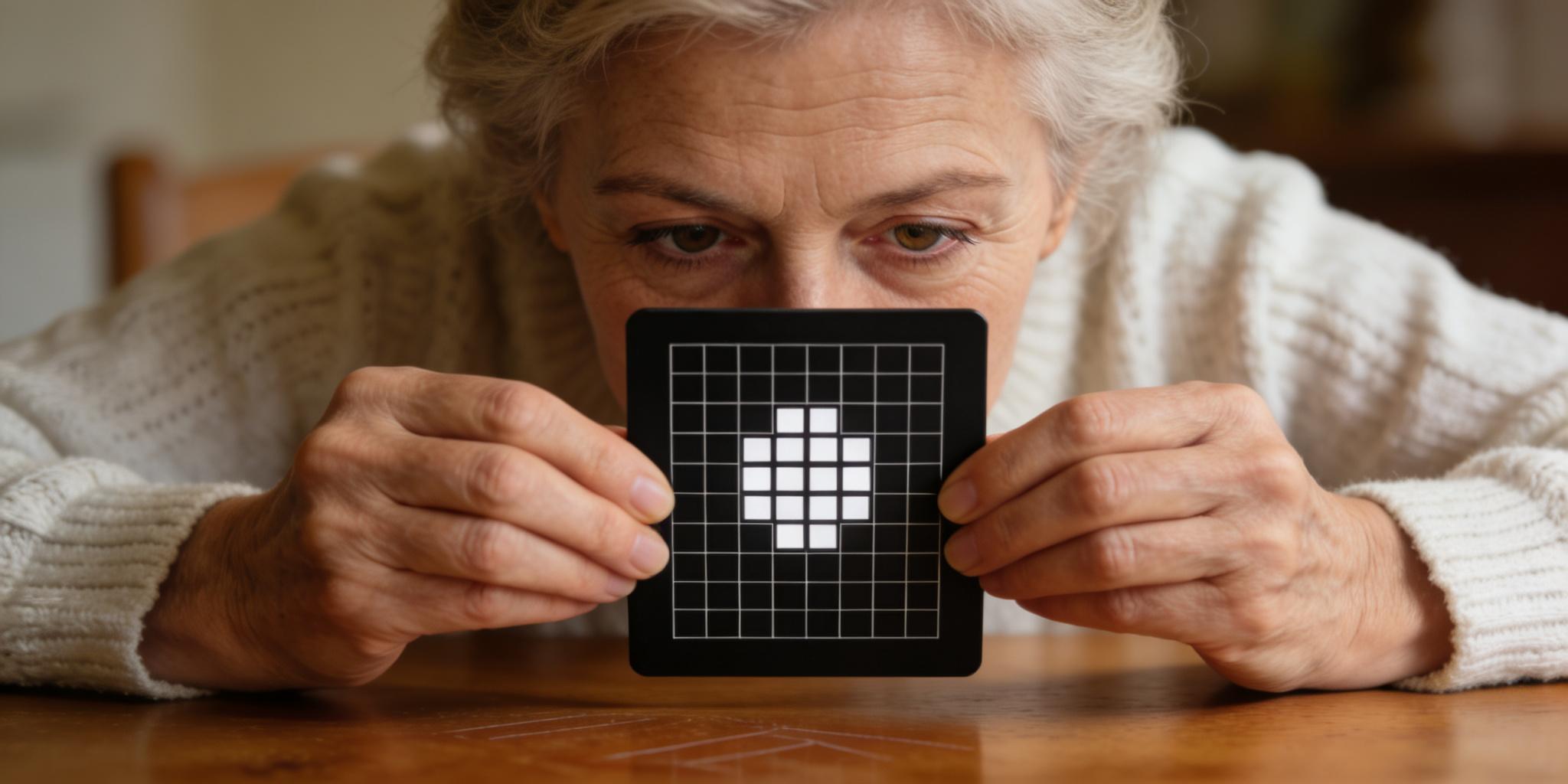
While you work on your internal health, you can make your external world easier to navigate:
- 🏠High-Contrast Living: Use bright, warm task lighting (around 4000K-5000K) for reading. This reduces the strain on a retina that may be struggling with contrast.
- 🏠The "Amsler Grid" Habit: Keep a piece of graph paper or a grid on your fridge. Look at it with one eye at a time once a week. If the lines look wavy, broken, or blurred, call your professional immediately. This is the fastest way to catch "leaks" at home.
- 🏠Protect from Glare: Wear high-quality, wraparound sunglasses when outdoors. A diabetic retina is more sensitive to "oxidative stress" from UV rays.
VIII. The Heart of the Matter: Communicating with Loved Ones

Living with vision changes can feel lonely, but you don't have to carry the "Sugar Shadow" alone.
- ❤️Be Honest about "Bad Days": Tell your family, "My vision is a bit misty today because my sugar was high earlier." This helps them understand why you might be more tired or less confident in a dark restaurant.
- ❤️Share the Plan: Let your spouse or children know when your annual eye exam is. Ask them to drive you, as your eyes will be dilated and sensitive to light afterward. Making them part of your "Security Team" reduces your stress and theirs.
Summary: Protecting Your Windows to the World

Living with diabetes is a marathon, not a sprint. It takes patience and grit. But remember: you aren't just managing "numbers" on a monitor; you are protecting your ability to see the world.
Your vision is worth every healthy meal, every gentle walk, and every annual check-up. Keep your eyes on the prize, and let's keep your world clear and bright!